

How to Check Binding Wire Gauge: Simple Tips for Faster RCC Tying
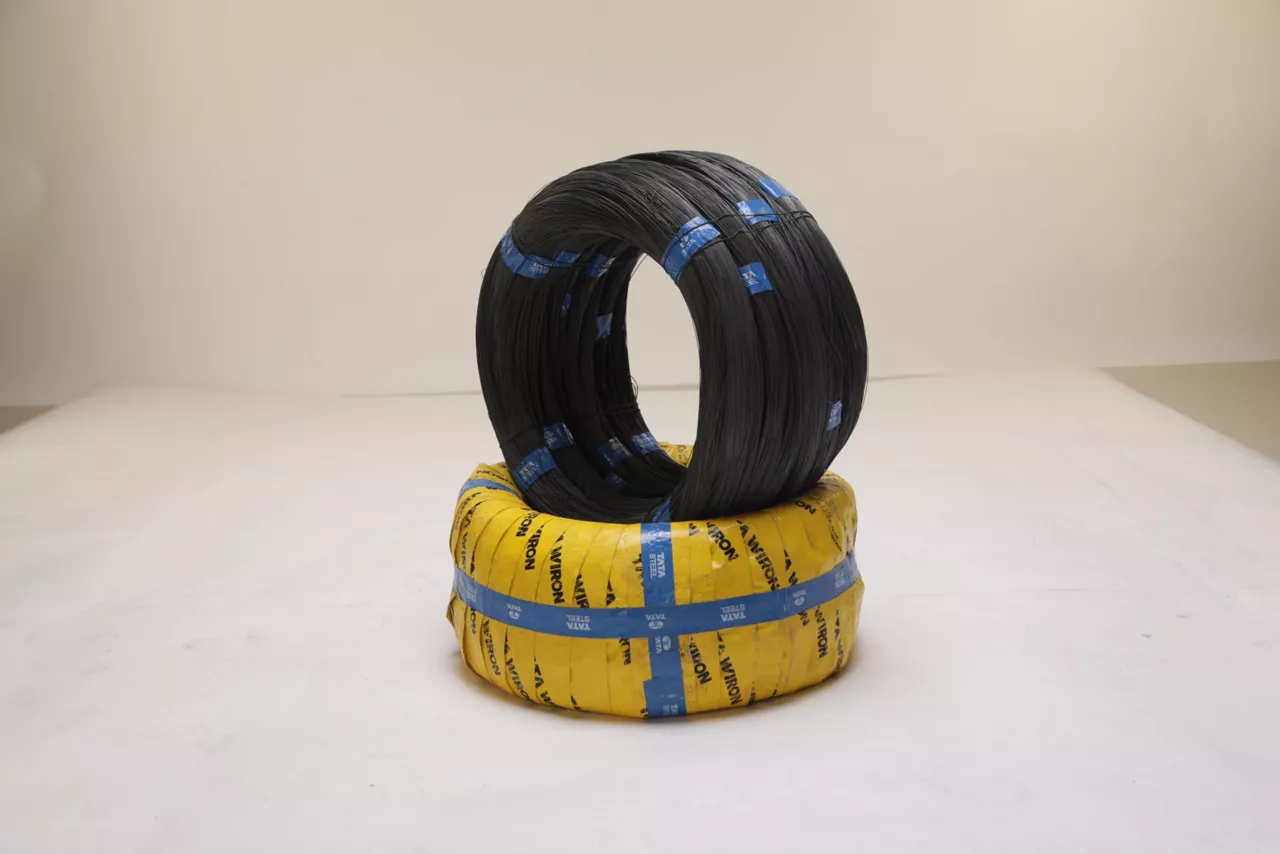
Tata Binding Wire Price in India
Binding wire plays a quiet but vital role in RCC work. It holds steel bars in place before concrete pouring. The right gauge choice saves time, effort, and material waste. Wrong gauge slows tying and weakens bar alignment. This guide explains binding wire gauge in simple terms. You will learn fast checks and practical site tips. You can improve RCC tying speed without special tools.
What does binding wire gauge mean
The gauge shows wire thickness. Lower gauge numbers mean thicker wire. Higher gauge numbers mean thinner wire. In Indian construction, common gauges include 18, 20, and 21. Each gauge suits different RCC tasks. Correct selection improves tying speed and joint stability.
Why gauge matters in RCC tying
Thick wire grips bars firmly. Thin wire bends faster and ties quicker. Workers use thicker wire for heavy columns. They use thinner wire for slabs and light beams. The wrong gauge causes frequent breakage or loose knots. Both issues waste time and wire.
Simple ways to check the binding wire gauge on site
You can check the gauge without lab tools. Use simple visual and physical checks. First, compare wire thickness by hand. Place two wires side by side. Thicker wire always looks and feels heavier. Second, test bending resistance. Bend the wire with your fingers. Thicker wire resists bending strongly. Thinner wire bends it smoothly and quickly. Third, count wraps during tying. Thin wire allows for more twists easily.
Using a wire gauge plate or caliper
Many sites keep a wire gauge plate. Insert the wire into the marked slots. Matching slot shows exact gauge. A vernier caliper also works well. Measure wire diameter in millimeters. Match reading with gauge charts. This method gives accurate results. Supervisors often prefer this check.
How correct gauge speeds up RCC tying
The right gauge reduces wire snapping. Workers finish ties without rework. Flexible wire cuts hand fatigue. Teams maintain a steady tying rhythm. Proper gauge keeps bars aligned firmly. Concrete placement stays smooth and safe. Speed improves without compromising strength. Quality control becomes easier on-site.
Cost awareness and material planning.
Gauge choice affects project cost. Thicker wire costs more per kilogram. Thinner wire increases consumption volume. Contractors often track tata binding wire price in India for budgeting. Price varies by gauge and market conditions. Smart gauge selection balances speed and cost. It prevents overuse of premium wire.
Practical tips from experienced RCC teams
Store wire coils in dry areas. Rust weakens wire flexibility quickly. Train workers on gauge differences early. Visual familiarity speeds daily selection. Match the gauge with the bar diameter always. Heavy bars need stronger tying support. Avoid mixing gauges in one structural element. Uniformity improves joint behavior.
Conclusion
Binding wire gauge checking stays simple. Hands, eyes, and basic tools suffice. The right gauge choice boosts RCC tying speed. It improves safety, quality, and cost control. Small checks create big site efficiency gains. Smart teams never ignore wire gauge selection.